Low Key Genius: Nostalgia, Noise, And Community
Megan Kearns, February 16, 2026
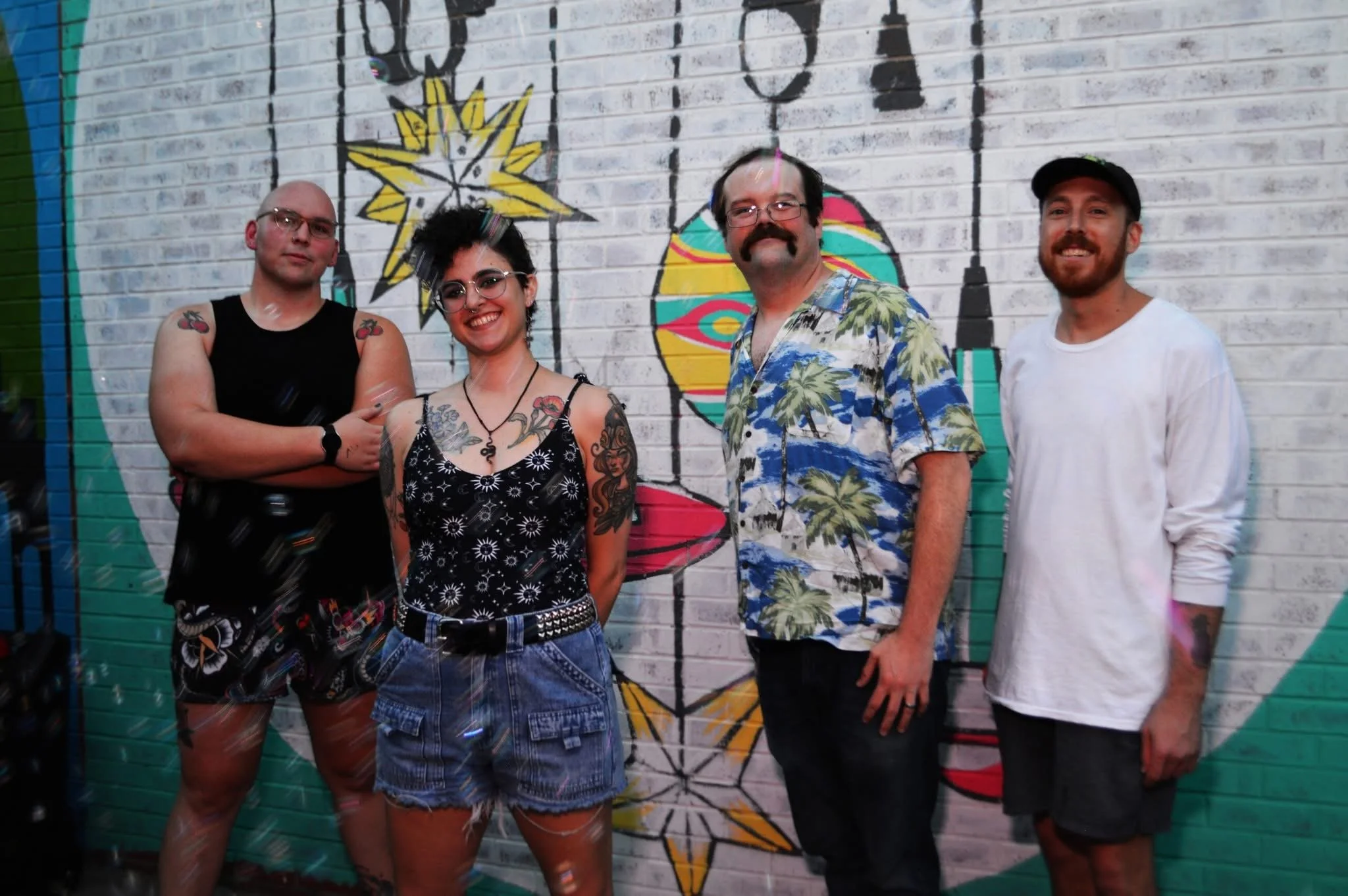
Photo by Ralph Archuleta.
Low Key Genius didn’t come together with a perfectly polished master plan, but rather through the kind of organic connection that has long fueled the pop‑punk and emo scenes. Based in Colorado, the band formed when Ian and Alec began searching for collaborators to build a new pop‑punk project. Bryce soon joined the lineup, followed by Angela in mid‑January 2024. As of February 4, 2026, Low Key Genius officially marked two years as a band, a milestone that reflects both creative growth and a commitment to building something lasting within their local music scene.
The name Low Key Genius came together under pressure. With a show already booked and a list of nearly 100 potential band names, the group narrowed it down through a simple vote. Low Key Genius stood out, not because it was overthought, but because it felt natural and representative of who they were becoming as a band.
For new listeners discovering Low Key Genius for the first time, the band describes their sound as a modern take on classic pop‑punk. Rooted in early 2000s pop‑punk and post‑hardcore, their music blends nostalgia with a contemporary edge. It captures the emotional weight, energy, and urgency of the genre’s formative years while updating it for today’s listeners.
That early‑2000s influence remains central to the band’s identity. For the members of Low Key Genius, that era represents more than a musical style. It reflects a time defined by community, emotional honesty, and a rebellious spirit that gives listeners a space to release aggression and process difficult emotions. Those elements continue to inform their songwriting, live performances, and visual identity.

Each member brings a specific strength that shapes the band’s overall sound. Angela’s understanding of harmony adds depth and texture to the group’s melodies. Alec focuses on song structure and form, ensuring cohesion across their material. Bryce contributes lead guitar work, melodic sensibility, and dynamic screams that add intensity to the band’s heavier moments. Ian brings a broad knowledge of album construction and music history, offering analytical insight that helps guide creative decisions. Together, the band balances preparation and spontaneity, resulting in songs that feel both intentional and emotionally driven.
Songwriting for Low Key Genius most often begins with music. A riff or chord progression typically serves as the foundation, with the band building arrangements collaboratively. While lyrics or topline melodies occasionally come first, the process usually centers on capturing a specific feeling. Their songs draw from a blend of personal experiences, storytelling, and emotional snapshots, written in a way that prioritizes listener connection rather than direct confession. Recording and writing remain the most collaborative aspects of the band, supported by open communication, mutual respect, and minimal ego.
This approach is evident in their recent releases. “Endless Nightmare” marked a turning point, helping define the band’s identity as original artists after initially performing as a pop‑punk cover band. The track established what the band considers the baseline of their creative potential, while an unexpected Motion City Soundtrack‑inspired synth line introduced in the studio hinted at the range they continue to explore.
Their February 13 single, “Score,” represents another step forward. The song originated from an unconventional Fmaj7 tuning inspired by American Football’s “Never Meant,” brought to the band by Ian and developed into a full composition by Bryce. Written only weeks apart from “Endless Nightmare,” “Score” influenced that track lyrically while standing apart emotionally.
Where much of the band’s catalog leans high‑energy, “Score” functions as a ballad rooted in late‑1990s Midwest emo. Rather than focusing on a single personal narrative, the song captures a specific mood. During recording, the track became a defining moment as Angela’s harmonies took shape and the band incorporated layered vocal chants that now anchor the song’s closing section. From the bridge through the final moments, “Score” reflects a more expansive and emotionally nuanced side of Low Key Genius.
Live performance remains central to the band’s identity. A Low Key Genius show emphasizes energy, nostalgia, and audience participation, creating an environment where listeners can momentarily disconnect from daily pressures. “Endless Nightmare” stands out as a live favorite due to its intensity, while their cover of Fall Out Boy’s “Sugar, We’re Goin Down Swingin’” consistently transforms into a full‑room sing‑along.
Memorable live moments range from chaotic to affirming, including an overpowered guitar patch in a concrete basement venue that left the band temporarily overwhelmed, to wedding performances where large crowds sang entire choruses back to the stage under professional lighting. These experiences reinforce the band’s focus on shared connection rather than spectacle alone.
The audience surrounding Low Key Genius continues to grow and diversify. Many attendees are listeners in their 30s reconnecting with the pop‑punk era, alongside women and queer and LGBTQ+ fans who resonate with the band’s inclusivity and representation. The community forming around the band reflects the same openness and familiarity that originally defined the emo and pop‑punk scenes.
Visually, Low Key Genius remains closely tied to early‑2000s aesthetics, incorporating elements such as Converse and Vans footwear, skinny jeans, and a color palette dominated by black, pink, and green. Their branding and social presence frequently reference pop culture touchstones from the era, reinforcing the nostalgic foundation of their music. When asked about a dream tour lineup, the band cites Fall Out Boy, My Chemical Romance, and Paramore as defining influences.
Looking ahead, Low Key Genius plans to continue releasing new music throughout the year, including heavier material that further showcases Bryce’s vocal range. The band is actively writing with the goal of completing a full album by the end of the year and expanding into larger venues. Live performance remains a priority, with aspirations to appear on all‑emo night lineups that emphasize full bands over DJ‑driven events.
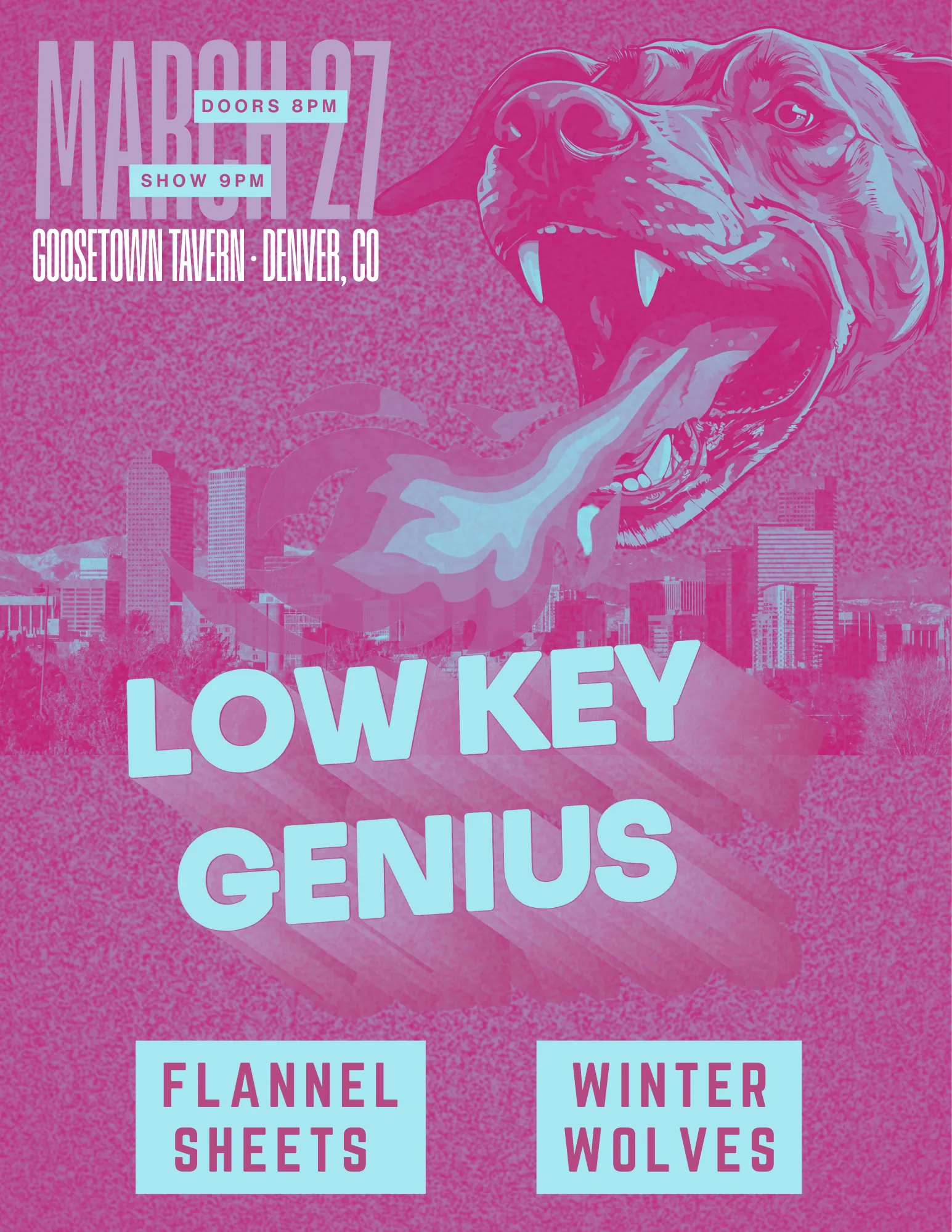
Fans can best support Low Key Genius by attending live shows, engaging with their music, and following updates through social media and their official website at lowkeygeniusband.com. As the band continues to evolve, their focus remains on building community, honoring the genre that shaped them, and contributing to the ongoing resurgence of pop‑punk and emo music.
Keep up with more indie bands like Low Key Genius with us at Loud and Heavy Booking.

Megan grew up in Kansas and earned a Music Business degree from Full Sail University. Now based in the Oklahoma Panhandle with her family, she is dedicated to supporting and growing her local music community through Loud and Heavy Booking.
LinkedIn